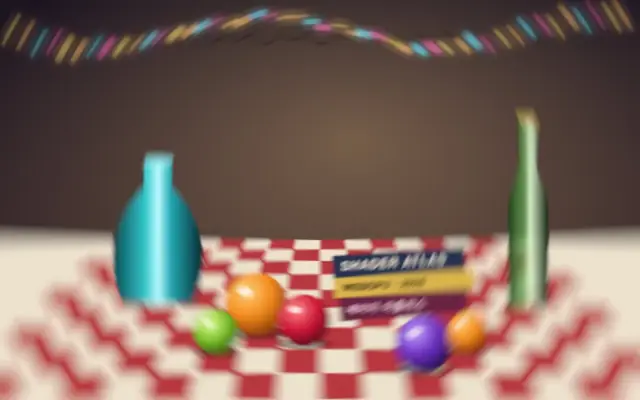
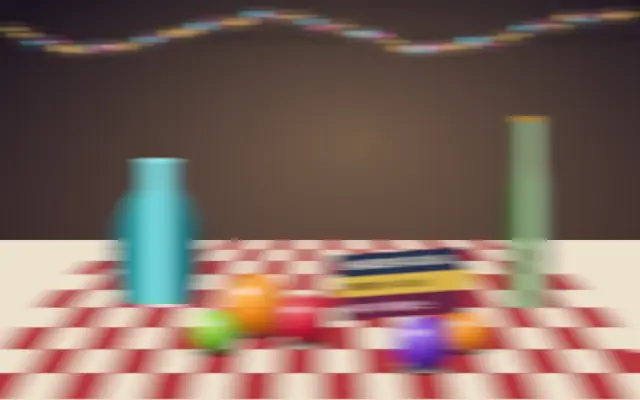
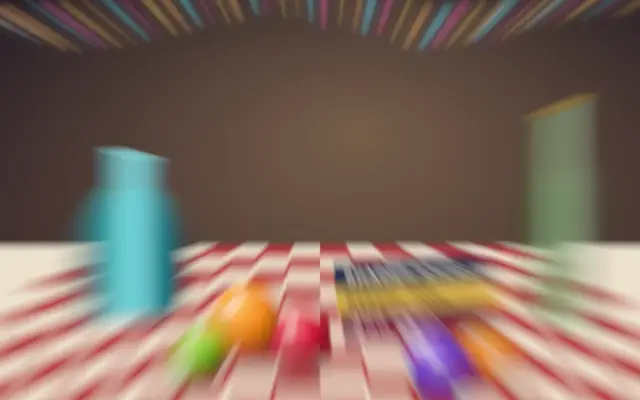
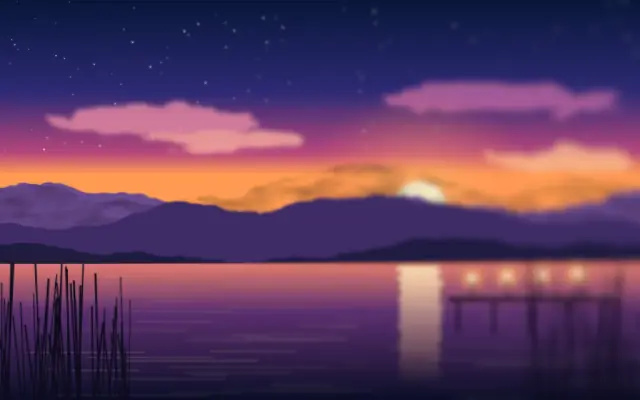
An angular blur smears image detail around a chosen center point.
Also known as: AngularBlurrotational blur
Moves in browsers that support WebGPU
This device could not render the demo — showing a still
Code reflects the control values
React
// Renders only in browsers with WebGPU.
// /samples/… are this site’s sample files — point them at your own image or video.
import { Shader, AngularBlur, ImageTexture } from 'shaders/react'

export default function ShaderEffect() {
  return (
    <Shader style={{ width: '100%', height: 320 }} disableTelemetry>
      <ImageTexture
        objectFit="cover"
        url="/samples/still.jpg" />
      <AngularBlur />
    </Shader>
  )
}
Vue
<!-- Renders only in browsers with WebGPU. -->
<!-- /samples/… are this site’s sample files — point them at your own image or video. -->
<script setup lang="ts">
import { Shader, AngularBlur, ImageTexture } from 'shaders/vue'
</script>

<template>
  <Shader style="width: 100%; height: 320px" :disable-telemetry="true">
    <ImageTexture
      object-fit="cover"
      url="/samples/still.jpg"/>
    <AngularBlur/>
  </Shader>
</template>
Svelte
<!-- Renders only in browsers with WebGPU. -->
<!-- /samples/… are this site’s sample files — point them at your own image or video. -->
<script>
  import { Shader, AngularBlur, ImageTexture } from 'shaders/svelte'
</script>

<Shader style="width: 100%; height: 320px" disableTelemetry>
  <ImageTexture
    objectFit="cover"
    url="/samples/still.jpg" />
  <AngularBlur />
</Shader>
Solid
// Renders only in browsers with WebGPU.
// /samples/… are this site’s sample files — point them at your own image or video.
import { Shader, AngularBlur, ImageTexture } from 'shaders/solid'

export default function ShaderEffect() {
  return (
    <Shader style={{ width: '100%', height: '320px' }} disableTelemetry>
      <ImageTexture
        objectFit="cover"
        url="/samples/still.jpg" />
      <AngularBlur />
    </Shader>
  )
}
JavaScript
// Renders only in browsers with WebGPU.
// /samples/… are this site’s sample files — point them at your own image or video.
// expects <canvas id="canvas" style="width:100%;height:320px"></canvas> on the page
import { createShader } from 'shaders/js'

const shader = await createShader(document.getElementById("canvas"), {
  components: [
    {
      type: 'ImageTexture',
      props: {
        objectFit: 'cover',
        url: '/samples/still.jpg',
      },
    },
    {
      type: 'AngularBlur',
    }
  ]
}, { disableTelemetry: true })
Props · AngularBlur
Changes apply to the demo above and to the code tabs. Descriptions come from the library registry (MIT).
Name
Value
Default
Range / options
Description
intensityBlur Intensity
20
0 – 100 (step 1)
Intensity of the angular blur effect
centerCenter Position
xy
{"x":0.5,"y":0.5}
x, y: 0 – 1
The center point of the rotation
Every component also takes blendMode · opacity · visible · maskSource/maskType · boundingBox · id
It leaves curved trails around a point, like a wheel captured with a long exposure. The image appears to turn around that point.
`intensity` defaults to 20 and ranges from 0 to 100; raising it strengthens the rotational trail. `center` defaults to {x: 0.5, y: 0.5} and moves the pivot.
Apply it over an image or video and align the center with the intended rotation axis. It can make the whole frame harder to read, so keep it to a short accent or background and exclude small, important text.
When to use
Use it for trails behind rotating objects, a rotational transition, or a background that emphasizes a circular axis. Avoid it on documents or dashboards that need sustained reading.