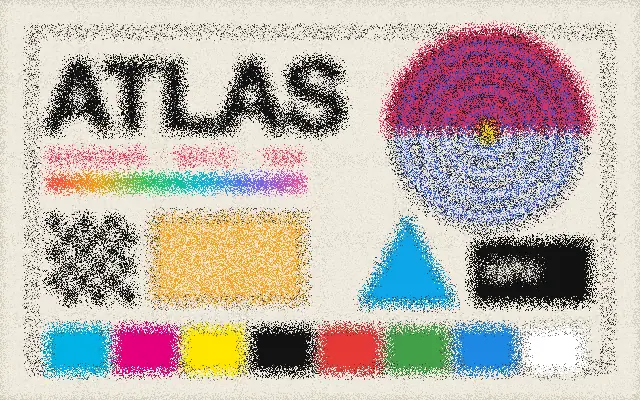
Random pixel displacement gives the image a grain-like, softened texture.
Also known as: DiffuseBlur
Moves in browsers that support WebGPU
This device could not render the demo — showing a still
Code reflects the control values
React
// Renders only in browsers with WebGPU.
// /samples/… are this site’s sample files — point them at your own image or video.
import { Shader, DiffuseBlur, ImageTexture } from 'shaders/react'

export default function ShaderEffect() {
  return (
    <Shader style={{ width: '100%', height: 320 }} disableTelemetry>
      <ImageTexture
        objectFit="cover"
        url="/samples/poster.jpg" />
      <DiffuseBlur
        intensity={8} />
    </Shader>
  )
}
Vue
<!-- Renders only in browsers with WebGPU. -->
<!-- /samples/… are this site’s sample files — point them at your own image or video. -->
<script setup lang="ts">
import { Shader, DiffuseBlur, ImageTexture } from 'shaders/vue'
</script>

<template>
  <Shader style="width: 100%; height: 320px" :disable-telemetry="true">
    <ImageTexture
      object-fit="cover"
      url="/samples/poster.jpg"/>
    <DiffuseBlur
      :intensity="8"/>
  </Shader>
</template>
Svelte
<!-- Renders only in browsers with WebGPU. -->
<!-- /samples/… are this site’s sample files — point them at your own image or video. -->
<script>
  import { Shader, DiffuseBlur, ImageTexture } from 'shaders/svelte'
</script>

<Shader style="width: 100%; height: 320px" disableTelemetry>
  <ImageTexture
    objectFit="cover"
    url="/samples/poster.jpg" />
  <DiffuseBlur
    intensity={8} />
</Shader>
Solid
// Renders only in browsers with WebGPU.
// /samples/… are this site’s sample files — point them at your own image or video.
import { Shader, DiffuseBlur, ImageTexture } from 'shaders/solid'

export default function ShaderEffect() {
  return (
    <Shader style={{ width: '100%', height: '320px' }} disableTelemetry>
      <ImageTexture
        objectFit="cover"
        url="/samples/poster.jpg" />
      <DiffuseBlur
        intensity={8} />
    </Shader>
  )
}
JavaScript
// Renders only in browsers with WebGPU.
// /samples/… are this site’s sample files — point them at your own image or video.
// expects <canvas id="canvas" style="width:100%;height:320px"></canvas> on the page
import { createShader } from 'shaders/js'

const shader = await createShader(document.getElementById("canvas"), {
  components: [
    {
      type: 'ImageTexture',
      props: {
        objectFit: 'cover',
        url: '/samples/poster.jpg',
      },
    },
    {
      type: 'DiffuseBlur',
      props: {
        intensity: 8,
      },
    }
  ]
}, { disableTelemetry: true })
Props · DiffuseBlur
Changes apply to the demo above and to the code tabs. Descriptions come from the library registry (MIT).
Name
Value
Default
Range / options
Description
intensityIntensity
30
0 – 100 (step 1)
Intensity of the diffuse blur effect
edgesEdges
stretch
stretch · transparent · mirror · wrap
How to handle edges when distortion pushes content out of bounds
Every component also takes blendMode · opacity · visible · maskSource/maskType · boundingBox · id
Instead of simply losing focus, pixels scatter into a fine, grain-like texture. It can feel like a lightly blurred grain on paper.
`intensity` defaults to 30 and ranges from 0 to 100 to control the strength of the random displacement. `edges` defaults to stretch and chooses how edges are handled when displacement pushes content out of bounds.
Place it over an image or video input. Higher values can roughen outlines and text, so limit it to a background that needs texture. Combining it with a smooth blur can balance softness with grain.
When to use
Use it for textured backgrounds, paper- or film-like surfaces, or to add irregularity to a smooth image. Avoid it when small text or fine patterns must stay crisp.